
Shopify Automation for Small Stores – What to Automate First
Learn the best Shopify automations for small stores. Discover what to automate first to save time, improve customer support, recover abandoned carts, and grow your business with less manual work.
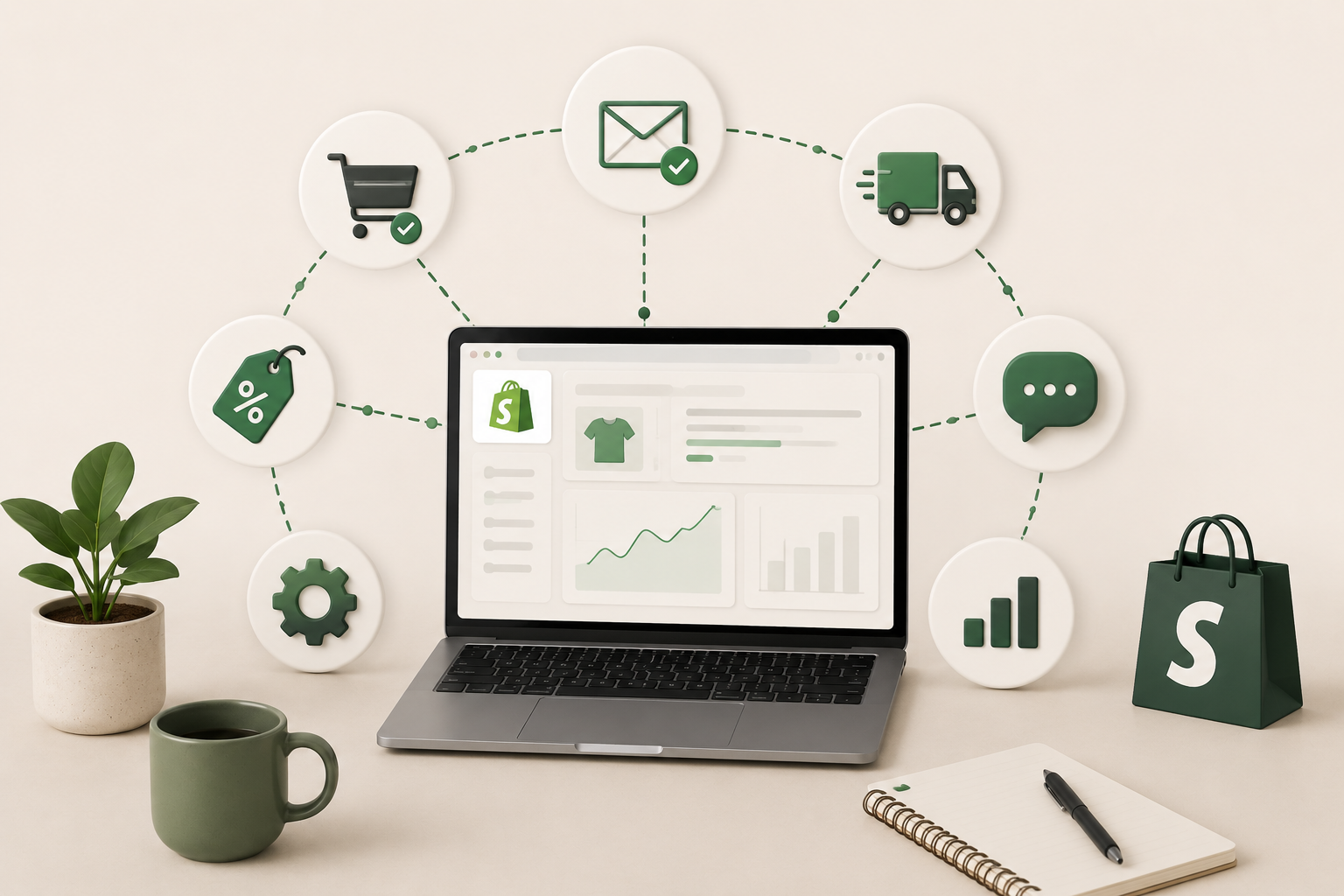
Running a Shopify store is exciting, but once orders start coming in, so do the repetitive tasks.
Answering customer questions. Checking new orders. Following up on abandoned carts. Sending updates. Monitoring store performance.
At first, these tasks seem manageable. But as your business grows, they quickly begin taking time away from what actually grows your business.
The good news is that you don't need to automate everything at once.
The smartest approach is to automate the tasks that save the most time while improving your customers' experience.
Here's where every small Shopify store should start.
1. Order Confirmations
The first automation every Shopify merchant should have is automatic order confirmations.
Customers want reassurance that their order has gone through successfully. An immediate confirmation builds trust and reduces unnecessary support messages asking:
Has my order gone through? Did my payment work? When will my order arrive?
Automating this process creates a better buying experience from the very beginning.
2. Shipping Updates
One of the most common customer questions is:
"Where is my order?"
Instead of replying to every message manually, automate shipping notifications.
Keeping customers informed reduces support requests while improving customer satisfaction.
3. Abandoned Cart Recovery
Not every visitor buys on their first visit.
Sometimes customers simply get distracted.
Automated abandoned cart reminders help bring shoppers back and recover sales that would otherwise be lost.
For many Shopify stores, this is one of the highest-return automations available.
4. Customer Support
As your store grows, customer questions become more frequent.
Common questions include:
Where's my order? Do you ship internationally? Can I exchange this item? How long is delivery?
Instead of answering the same questions repeatedly, automate responses to common enquiries while keeping more complex conversations available for your team.
This saves time while ensuring customers receive quick responses.
5. Revenue & Store Insights
Growing your store isn't just about making more sales.
It's about understanding what's happening inside your business.
Track metrics such as:
Revenue Orders Returning customers Conversion trends Store performance
Having clear visibility into your business helps you make better decisions instead of relying on guesswork.
6. Repetitive Operational Tasks
Many store owners spend hours every week on repetitive administrative work.
Automation can help simplify tasks like:
Organising orders Managing workflows Tracking operational activities Monitoring store performance
Every hour saved is time that can be spent improving products, marketing, or serving customers